Sync Or Sink
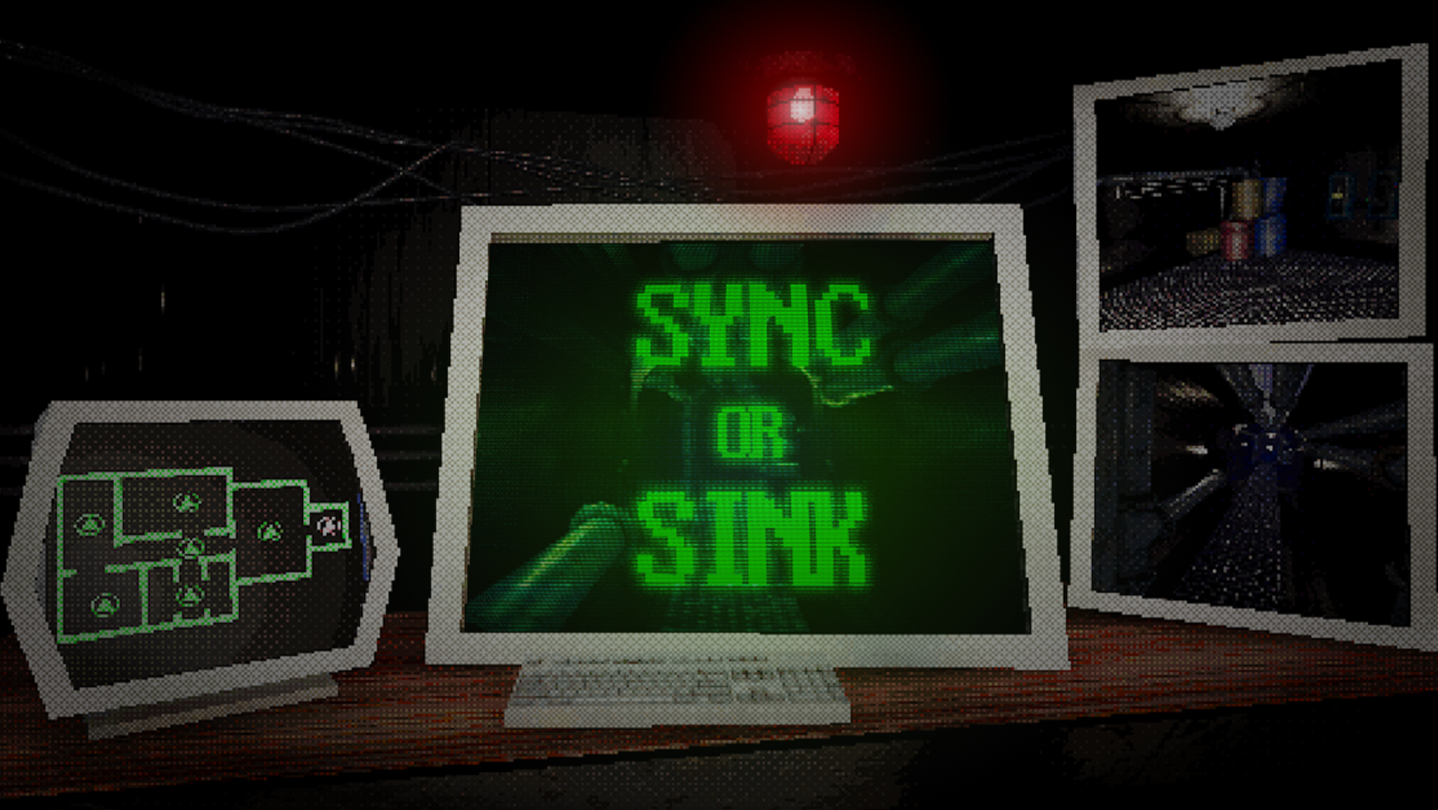
Game Overview
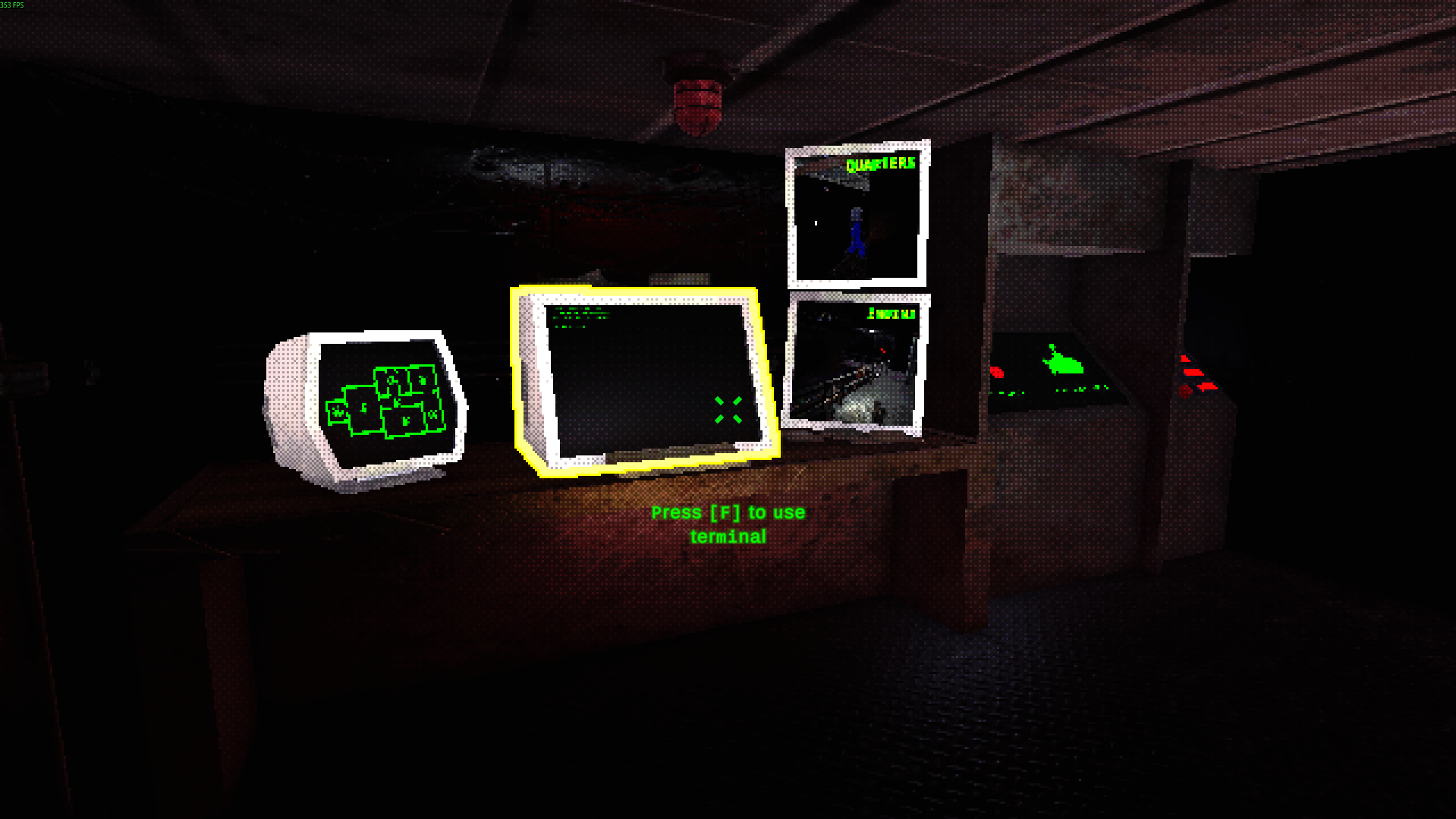
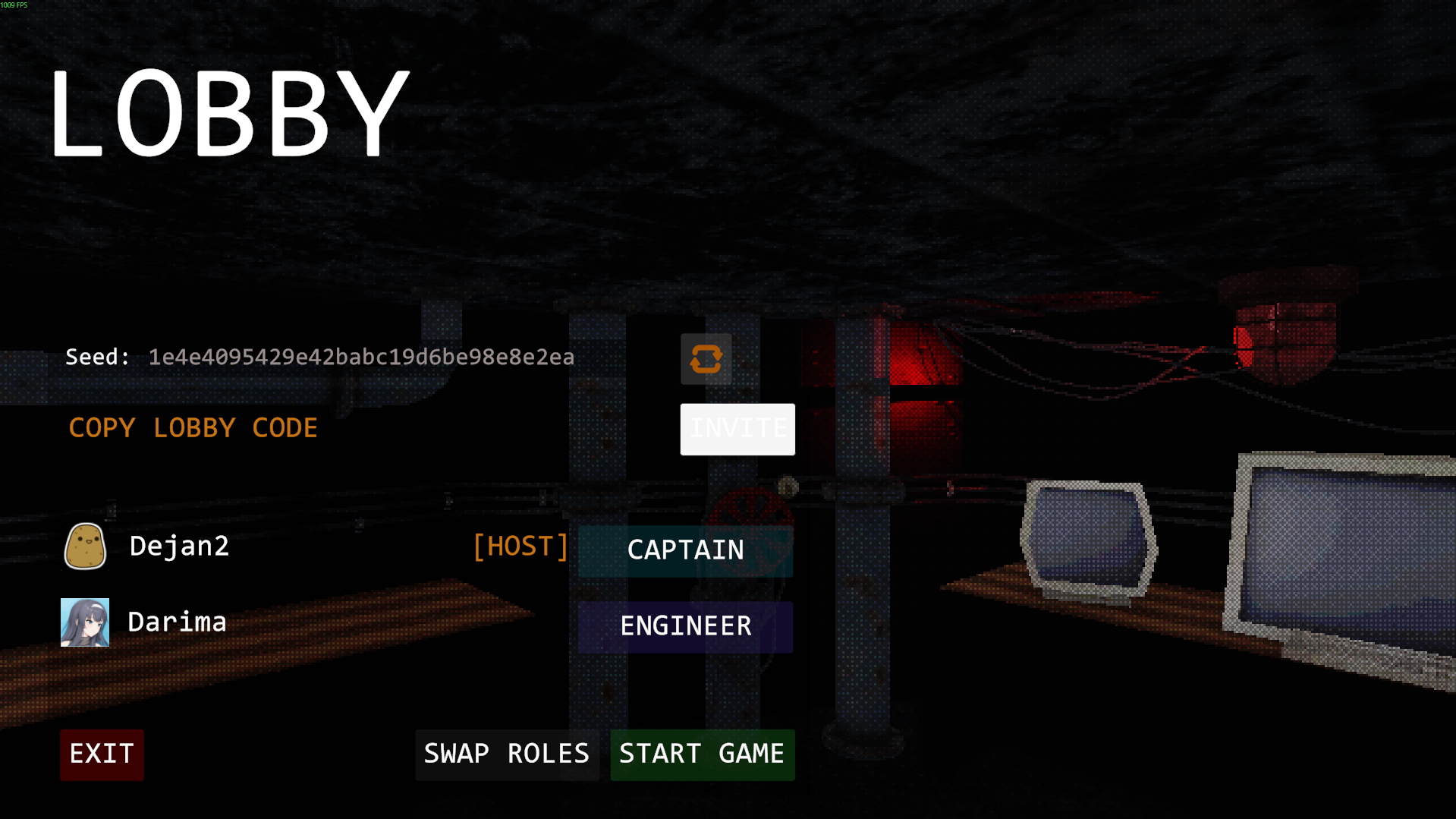
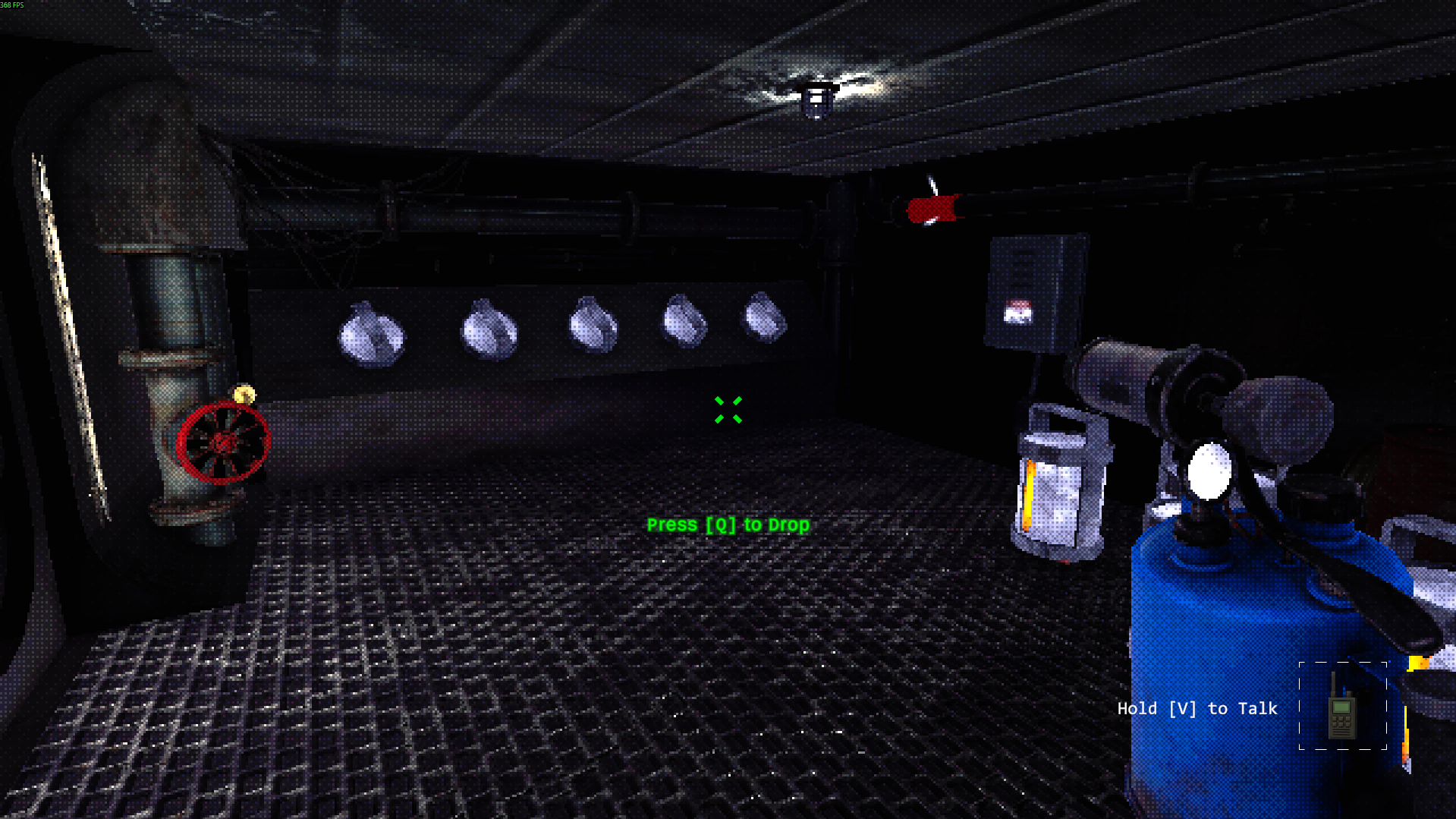
Sync Or Sink is a 2-player co-op Cold War submarine game about communication under pressure. One player is the Captain, confined to the cockpit—navigating by instruments, reading alarms, and guiding the mission. The other is the Engineer, moving through the submarine to diagnose and repair failures. A walkie-talkie style voice system (with custom high-pass/low-pass filters) forces clear, concise callouts as the Captain relays navigation and faults while the Engineer reports findings and fixes systems before time runs out.
In the 6-man strong team I served as the Lead Programmer and we published the game on Steam.
Gameplay Mechanics
- Asymmetric 2-Player Roles: Captain (cockpit-locked navigation, instruments, alarms) and Engineer (free movement, inspections, repairs).
- Stealth & Survival: Manage speed, depth, and power usage to keep systems stable and avoid catastrophic failures.
- Fault Detection: Captain interprets warnings and maps/diagrams; Engineer verifies on-site and reports exact conditions.
- Repair Loops: Replace parts, reroute power, seal leaks, and restore subsystems under time pressure.
- Communication-First Design: Walkie-talkie push-to-talk with limited bandwidth encourages disciplined comms and clear procedures.
Skills Demonstrated
| Skill | Description |
|---|---|
| Lead Programming | Architected core systems, coordinated feature integration, and guided a 6-person team to a published release. |
| Networking (Steamworks) | Lobby/session flow and state replication tailored for 2-player asymmetric co-op with integrated voice. |
| Audio DSP & UX Comms | In-game walkie-talkie chain using custom HP/LP filters and VOX-style gating for clear radio-like comms. |
| Systems Design | Station/instrument design for Captain; repair/task pipelines for Engineer; failure cascades and time-pressure loops. |
| Unity C# Development | Modular subsystem components, event-driven faults, deterministic task logic, and robust input/interaction. |
Game Features
- Two-Player Co-Op Only: Captain & Engineer—no weapons, success depends on teamwork and timing.
- Diegetic Instruments: Alarms, panels, and gauges deliver information; minimal HUD.
- Repair & Maintenance: Leak sealing, rerouting power, part replacement, and emergency procedures.
- Navigation Under Pressure: Captain charts safe paths and prioritizes faults while the sub degrades.
- Filtered VOIP: Authentic push-to-talk radio feel that shapes player behavior and clarity.
Technical Concepts and Tools
Two-Player Architecture
Clear authority boundaries: cockpit-bound Captain UI/state and world-space Engineer interactions, synced for reliability.
Steamworks Networking
Stable 2-player sessions with voice; streamlined invites and reconnect handling for short, tense runs.
Audio Processing
Per-channel HP/LP filters, gain staging, and VOX to simulate radio bandwidth and cut through ambient noise.
Gallery
Learning Takeaways
Designing strict role asymmetry taught the value of instrument-driven UI and spatial task design. The filtered VOIP system directly shaped teamwork quality, while fault cascades stress-tested replication, task orchestration, and recovery flows—key lessons for shipping a tight, communication-centric co-op experience.
Tools Used
- Unity: Engine, physics, UI, and scene flow.
- Steamworks: Networking, lobbies, and voice transport.
- C# / JetBrains Rider: Core gameplay code and tooling.
- Custom DSP Filters: High-pass/low-pass chain for radio effect.